Indonesia is one of the world’s most extraordinary travel destinations – a vast archipelago of over 17,000 islands stretching across the equator, home to ancient temples, pristine beaches, active volcanoes, lush rice terraces, and an incredible diversity of cultures. Whether you’re a first-time visitor or returning for your fifth trip, this Indonesia travel guide for 2026 covers everything you need to plan an unforgettable journey.
Getting Your Indonesia Visa in 2026
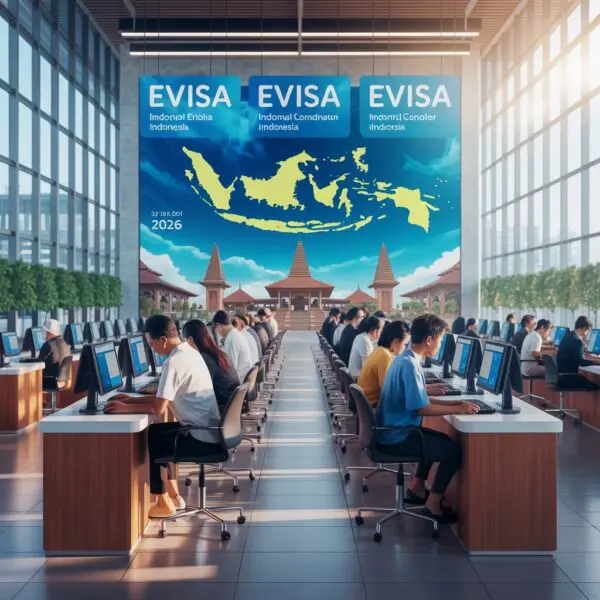
Before anything else, secure your Indonesia visa. Most international travelers (90+ nationalities) can apply for the eVOA (Electronic Visa on Arrival / B1) online at molina.imigrasi.go.id for IDR 500,000 (~$32 USD). This allows a 30-day stay, extendable once for another 30 days.
Apply at least 7 days before your trip. For complete visa information including requirements and the step-by-step application process, see our Indonesia eVisa complete guide. For the full cost breakdown, visit our Indonesia eVisa fee page.
Best Destinations in Indonesia
Bali – The Island of the Gods
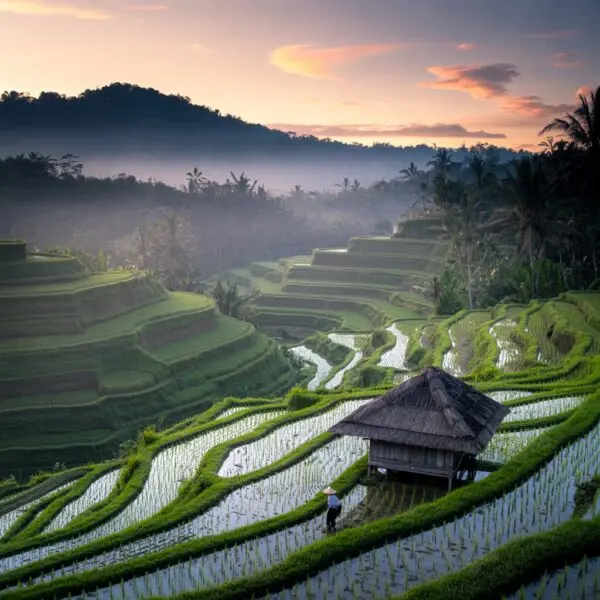
Bali remains Indonesia’s most popular destination and for good reason. From the surf beaches of Kuta and Seminyak to the rice terraces of Ubud, the temple cliffs of Uluwatu, and the snorkeling paradise of Nusa Penida – Bali offers something for everyone. In 2026, Bali continues to develop its tourism infrastructure while maintaining its spiritual and cultural heritage.
Key Bali highlights: Tanah Lot temple, Tegallalang Rice Terraces, Mount Batur sunrise trekking, Monkey Forest in Ubud, Seminyak beach clubs, Nusa Dua luxury resorts.
Yogyakarta – Culture and History
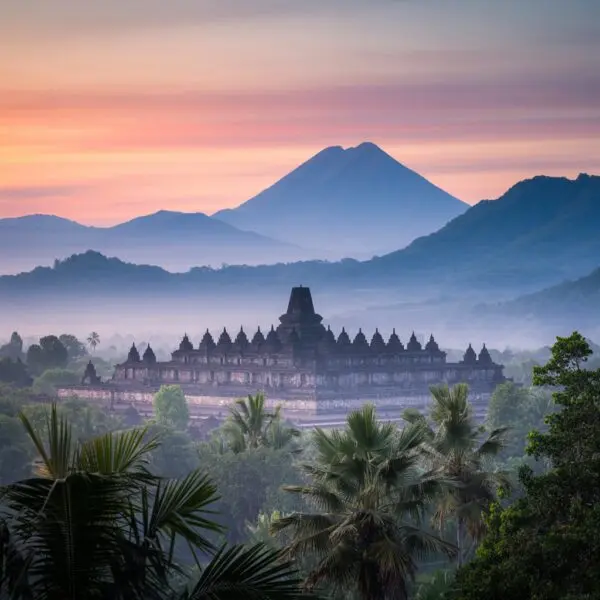
Yogyakarta (Jogja) is the cultural heart of Java. Home to the 9th-century Borobudur Buddhist temple – the world’s largest Buddhist monument and a UNESCO World Heritage Site – and the Hindu Prambanan temple complex. The city is also famous for its batik art, shadow puppet theater (wayang kulit), and proximity to Mount Merapi.
Komodo National Park
A UNESCO World Heritage Site, Komodo National Park is home to the legendary Komodo dragon – the world’s largest lizard. The park also offers some of the best diving in Southeast Asia, with manta ray cleaning stations, sharks, and vibrant coral reefs. Access is via Labuan Bajo on Flores island.
Raja Ampat – Diving Paradise
Located in West Papua, Raja Ampat contains the highest marine biodiversity on Earth. The 1,500+ small islands, turquoise lagoons, and reefs teeming with over 1,500 fish species make it the world’s best diving and snorkeling destination. Liveaboards are the main accommodation option.
Lombok and the Gili Islands
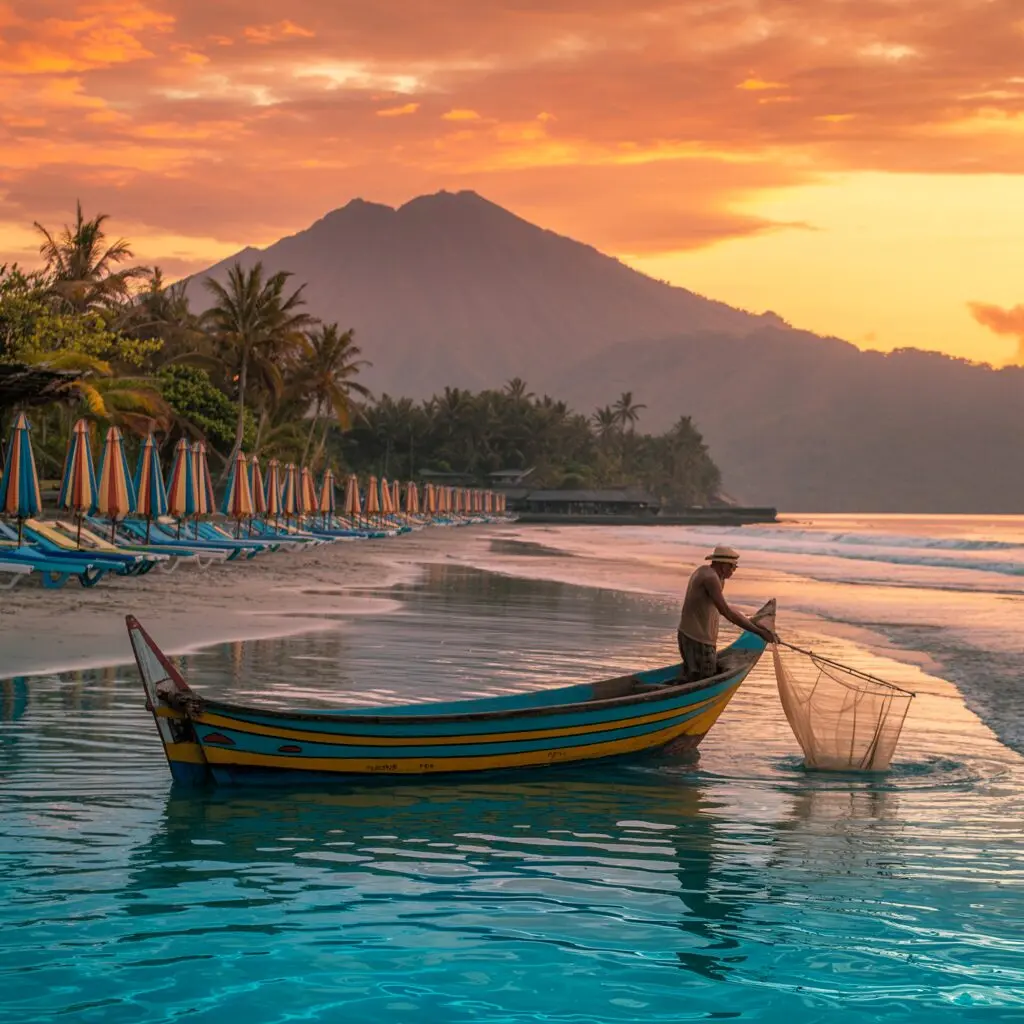
Lombok sits just east of Bali and offers a quieter, less commercial alternative. The Gili Islands (Gili Trawangan, Gili Meno, Gili Air) are car-free and famous for diving, snorkeling, and relaxed beach life. Mount Rinjani (3,726m) is one of Indonesia’s most spectacular trekking destinations.
Jakarta – Megacity Capital
Indonesia’s capital is a city of 30+ million people, a hub for business, culture, and history. While not traditionally a tourist focus, Jakarta’s Old Town (Kota Tua), National Museum, and vast food and nightlife scenes make it worth at least 2-3 days. Direct flights connect Jakarta to most global hubs.
Best Time to Visit Indonesia
Indonesia lies on the equator, meaning it has two main seasons rather than four:
- Dry season (May-October): Best time for most of Indonesia, especially Bali, Lombok, and eastern islands. Sunny skies, lower humidity. Peak tourist season is July-August.
- Wet season (November-April): More rain, especially December-February. Still pleasant for many activities; fewer tourists, lower prices. Surfing is excellent on some coasts during this period.
For Komodo diving, July-August is ideal for manta rays. For Bali’s cultural festivals (Nyepi Silent Day, Galungan), plan around the Hindu Balinese calendar.
Getting Around Indonesia
Indonesia’s vast geography requires some planning for inter-island travel:
- Domestic flights: The most efficient way. Airlines include Garuda Indonesia, Lion Air, Batik Air, Citilink, and Wings Air. Book in advance during peak season.
- Fast boats: Popular for Bali-Lombok, Bali-Gili Islands, and Bali-Nusa Penida trips. 1-3 hours typically.
- Ferries: Slower but cheaper, connecting all major islands including Java-Bali (30 minutes) and Lombok-Sumbawa.
- Within cities/islands: GoJek and Grab (ride-hailing apps), taxis, rental scooters (international driving permit required in Bali since 2023), private drivers.
Currency and Money
Indonesia’s currency is the Indonesian Rupiah (IDR). As of April 2026, approximately:
- 1 USD = ~15,500 IDR
- 1 EUR = ~17,000 IDR
- 1 GBP = ~19,500 IDR
- 1 AUD = ~10,000 IDR
ATMs are widely available in tourist areas. Major credit cards accepted at hotels, restaurants, and shops in tourist areas. Rural and remote areas are cash-only. Avoid exchanging money at airports – rates are poor. Licensed money changers in Bali (e.g., Central Kuta Money Exchange) offer the best rates.
Indonesia Travel Budget
Indonesia offers excellent value for money:
- Budget traveler: $30-50/day (guesthouse, local food, public transport)
- Mid-range: $60-120/day (3-star hotel, restaurant meals, some activities)
- Luxury: $200+/day (villa or 5-star resort, private transfers, premium experiences)
Safety and Health
- Indonesia is generally safe for tourists in mainstream destinations
- Petty theft occurs in crowded areas – secure your belongings
- Drug laws are extremely strict – possession can result in the death penalty for trafficking
- Natural hazards: earthquakes, tsunamis (check alerts), volcanic activity (Merapi, Anak Krakatau)
- Recommended vaccinations: Hepatitis A, Typhoid, Tetanus, consider Rabies for long stays
- Drink only bottled or filtered water
- Travel insurance with medical evacuation coverage is essential
Frequently Asked Questions
Is Indonesia safe for tourists in 2026?
Yes – Indonesia is generally safe for tourists in mainstream destinations like Bali, Yogyakarta, and Jakarta. Exercise standard precautions: secure valuables, be aware of scams targeting tourists, and check travel advisories from your government. Areas near active volcanoes or in Papua may have specific restrictions.
How many days do I need for Indonesia?
Bali alone warrants at least 7-10 days to explore properly. For a broader Indonesia trip covering Bali, Yogyakarta/Borobudur, and Komodo, plan for 2-3 weeks minimum. A comprehensive trip covering Bali, Java, and eastern islands easily fills 4-6 weeks.
What is the best month to visit Bali?
May to September is considered the best time to visit Bali – dry season with sunny weather and lower humidity. July and August are peak months (busiest and most expensive). May, June, and September offer good weather with fewer crowds.